

What modifications are needed to use Infiniti Struts in a racing vehicle?
May 19, 2025
Leave a message
What modifications are needed to use Infiniti Struts in a racing vehicle?
As a supplier of Infiniti Struts, I've been deeply involved in the automotive industry, witnessing the unique qualities and potential of these struts in various applications. When it comes to using Infiniti Struts in a racing vehicle, several modifications are necessary to ensure optimal performance and safety.
First and foremost, understanding the fundamental differences between a regular road - going Infiniti vehicle and a racing car is crucial. A street - legal Infiniti is designed with a focus on comfort, smooth rides, and general daily usability. In contrast, a racing vehicle is built for high - speed performance, precision handling, and maximum grip on the track.
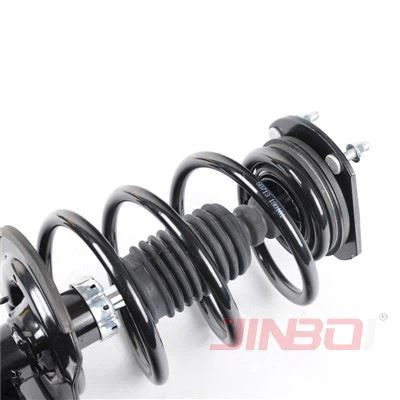
One of the primary modifications required is adjusting the spring rates. Infiniti Struts come with spring rates that are calibrated for normal driving conditions. In a racing environment, the vehicle experiences much higher lateral and longitudinal forces. For example, during high - speed cornering, the weight transfer is more extreme than in regular driving. A stiffer spring rate can help maintain better body control, reducing body roll and keeping the tires in better contact with the track surface. By increasing the spring rate of the Infiniti Front Struts, the racing vehicle can handle sharp turns more effectively.
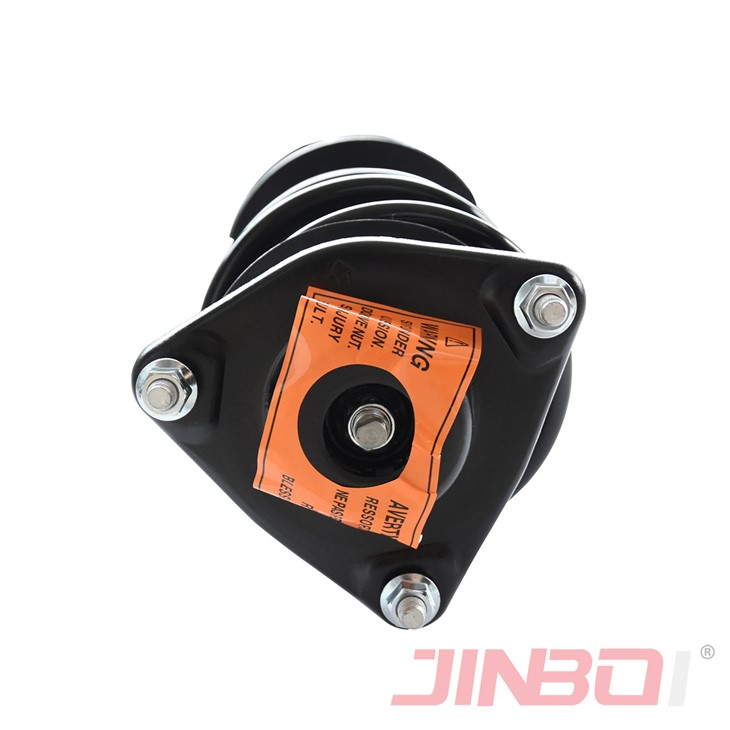
However, simply increasing the spring rate is not enough. The damping characteristics of the struts also need to be adjusted. The dampers in stock Infiniti Struts are tuned to provide a balance between comfort and handling on regular roads. In a racing car, they need to be re - calibrated to work in harmony with the stiffer springs. The damping force should be able to control the movement of the springs quickly and precisely. For instance, when the car hits a bump on the track, the dampers should absorb the shock rapidly and prevent excessive bouncing, which could lead to a loss of traction. Our Front Suspension Struts for Infiniti can be customized to have adjustable damping settings, allowing racers to fine - tune the suspension according to different track conditions.
Another important modification is the alignment of the wheels. In a racing vehicle, the alignment settings are far more critical than in a regular car. The camber, caster, and toe angles need to be adjusted to optimize the contact patch of the tires with the track. For example, a negative camber setting can increase the tire's contact area during cornering, providing more grip. However, this setting may also increase tire wear on straight sections of the track. Therefore, finding the right balance is essential. When using Infiniti Struts in a racing vehicle, these alignment adjustments should be made in conjunction with the spring and damper modifications to ensure the best overall performance.
The mounting points of the Infiniti Struts may also need to be reinforced. Racing puts a lot more stress on the suspension components compared to normal driving. The stock mounting points on an Infiniti may not be able to withstand the high - intensity forces generated during a race. Reinforcing the mounting points can prevent the struts from shifting or becoming loose, which could lead to a dangerous situation on the track. This can be achieved by using stronger materials or adding additional support brackets.
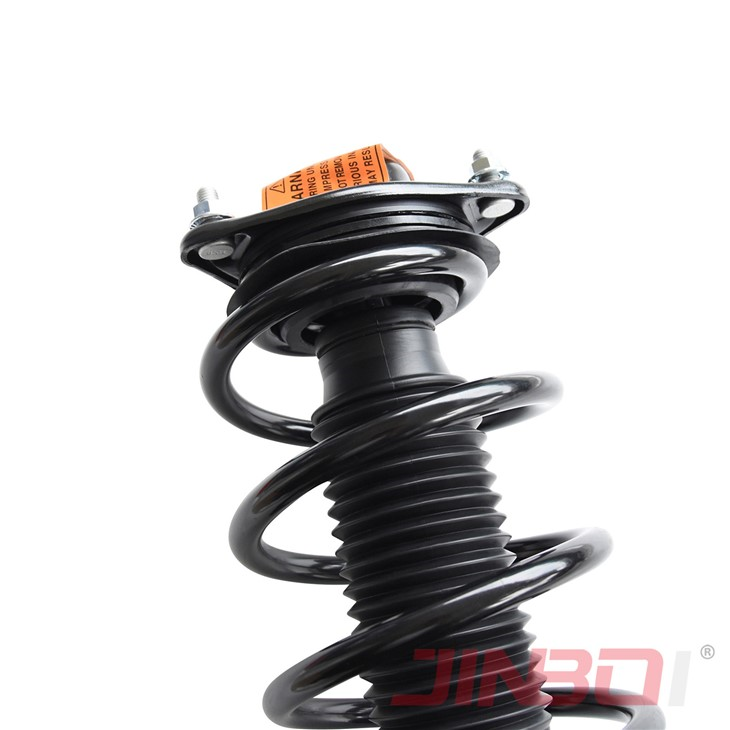
In addition to these mechanical modifications, the use of high - performance fluids is also recommended. The shock absorbers in Infiniti Shock Absorbers rely on hydraulic fluid to function properly. In a racing environment, the fluid can heat up quickly due to the high - frequency movements of the struts. Using a high - performance fluid with a higher boiling point can prevent the fluid from foaming, which would otherwise reduce the effectiveness of the shock absorbers.
Furthermore, the weight distribution of the racing vehicle can have a significant impact on the performance of the Infiniti Struts. Racing cars are often designed to have a more balanced weight distribution between the front and rear axles. If the weight distribution is off, the struts on one end of the vehicle may be over - stressed, while those on the other end may not be fully utilized. Adjusting the weight distribution, for example, by relocating heavy components such as the battery or fuel tank, can help the Infiniti Struts work more efficiently.
It's also important to consider the aerodynamics of the racing vehicle when using Infiniti Struts. Aerodynamic forces can affect the load on the suspension. At high speeds, downforce generated by the wings and spoilers can increase the vertical load on the tires and the struts. The suspension system needs to be able to handle this additional load. Modifying the struts to have a higher load - carrying capacity can ensure that the vehicle remains stable and controllable at high speeds.
When making these modifications, it's essential to work with a team of experienced mechanics and engineers. They have the knowledge and skills to properly install and adjust the Infiniti Struts in a racing vehicle. They can also perform thorough testing to ensure that all the modifications work together seamlessly.
In conclusion, using Infiniti Struts in a racing vehicle requires a series of modifications to adapt them to the high - performance requirements of the track. From adjusting spring rates and damping characteristics to reinforcing mounting points and considering aerodynamics, every aspect of the suspension system needs to be carefully evaluated and modified. As a supplier of Infiniti Struts, we are committed to providing high - quality products and technical support to help racers achieve the best performance on the track. If you are interested in using our Infiniti Struts for your racing vehicle and would like to discuss the modification details or make a purchase, please feel free to contact us for a detailed consultation and procurement negotiation.
References
- Milliken, William F., and Douglas L. Milliken. "Race Car Vehicle Dynamics." SAE International, 1995.
- Smith, John. "Advanced Suspension Tuning for Racing." Motorsport Publishing, 2008.
- Bosch Automotive Handbook. 7th ed., Robert Bosch GmbH, 2011.