


Why Replace Imported Shock Absorbers in Pairs?
May 25, 2023
Leave a message
Like other vehicle systems and components, the shock absorber runs 2,800 times per kilometer, and each operation will cause a small amount of gas and liquid to flow out of the shock absorber cylinder body, and with the reduction of air pressure and liquid pressure, the shock absorber will slowly become ineffective. Therefore, in order to maintain consistent performance and avoid premature wear of spring-loaded shock absorbers, shock absorbers must be replaced on both sides at the same time.
Shock absorbers directly affect several important vehicle properties, such as stopping distance, turning response, control, tire grip. Only replacing individually worn or damaged shock absorbers can adversely affect this performance. Therefore, in order to ensure driving reliability and comfort, the shock absorbers need to be replaced on both sides at the same time.
A new shock absorber has not been internally worn, matching it to an older shock absorber will also produce uneven damping characteristics, and because a new shock absorber must operate more courageously to compensate for the wear of the old seat spring shock absorber, it will also cause the new shock absorber to wear at a higher rate than usual. In some countries, the differences between the old and new shock absorbers are likely to be sufficient to make the vehicle unable to pass the technical inspection.
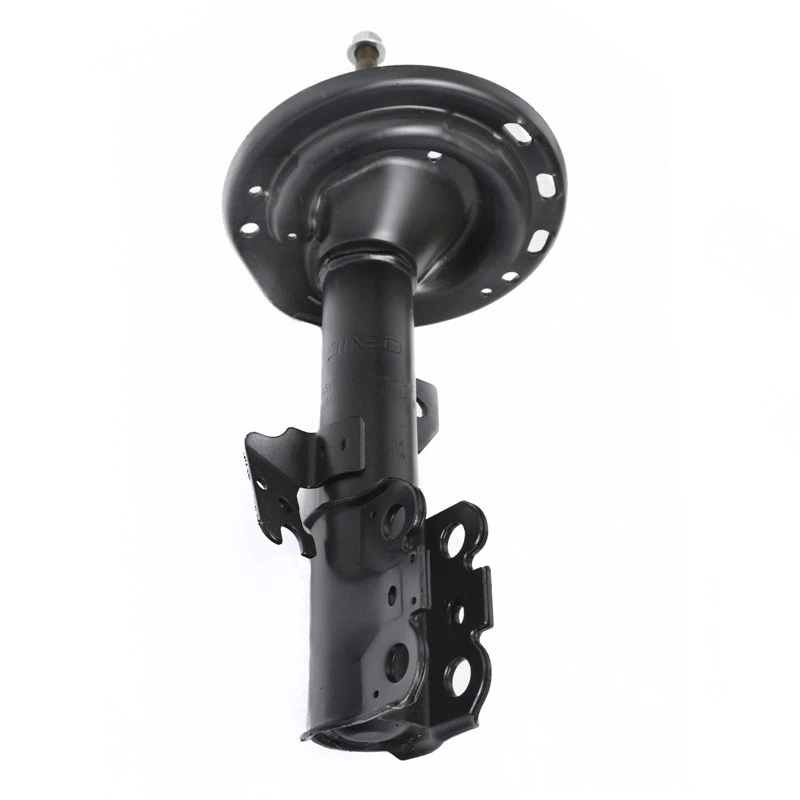
Worn shock absorbers can affect the driver's comfort and safety during driving, causing the vehicle to bounce and swing, and increase the braking distance. In fact, it's scary to happen while driving. Therefore, it is generally recommended to check the wear level of the shock absorber or whether the shock absorber is damaged every 20,000 kilometers.
When carrying out vehicle inspections, we should carry out safety inspections in the following aspects: the most common omen of wear and damage to shock absorbers and supports, the most common omen of damage to the suspension ball joints, and the general omen of poor response; whether the shock absorber or support is a liquid leak; whether the tire is "cup-shaped" and unevenly worn; Excessive jumping of vehicles; Whether the vehicle is skewed or wobbly when changing lanes.